What Dolly Parton’s Legacy Teaches Christians about Generosity
Guest Commentary

Audio By Carbonatix
By Amber Ginter, Crosswalk.com

Key Points
- Dolly Parton’s passing invites readers to consider the difference between worldly success and a meaningful legacy.
- Scripture measures a faithful life by obedience, love, generosity, and the way we use what God has entrusted to us.
- God gives each person gifts, talents, resources, and opportunities that can be used to serve others.
- Generosity is not limited to money; it can include time, encouragement, attention, hospitality, creativity, and practical help.
- A lasting legacy points beyond personal fame and helps others see the goodness and glory of God.
For decades, Dolly Parton has influenced not just the music industry but our hearts. Leading by example, we saw what someone fully dedicated to the Lord looked like in word, deed, and fruit. From hit singles to Dollywood to charitable actions, the passing of Parton on August 25, 2026, at age 80, has created a widespread response. But her death isn’t just another famous person’s obituary. Perhaps it’s a greater question of what we will leave behind. What does it mean to leave behind a life that isn’t just successful but faithfully used to bless others?
What Kind of Legacy Will We Leave Behind?
When someone has spent a lifetime creating, giving, and serving, their absence is certainly felt. We’ve seen it with past presidents, leaders, actors, and incredible musicians. And now we see it with Dolly.
Passing from life to death and then life again (for those who believe in Jesus), it’s easy to see their list of accomplishments: the songs, awards, records, money, possessions, and milestones. But at the end of the day, we have to ask a different question. Not what we did or even what we had, but what will remain long after we’re gone.
Simply put, a legacy is more than what we accomplish. Though society may not agree, 2 Timothy 4:7-8 explains the goal of our lives this way: “I have fought the good fight, I have finished the race, I have kept the faith. Now there is in store for me the crown of righteousness, which the Lord, the righteous Judge, will award to me on that day—and not only to me, but also to all who have longed for his appearing” (NIV).
While Paul’s account isn’t primarily about how successful he became (or lack thereof), it does emphasize faithfulness. Not many of us will rise to the fame that Parton did, but we don’t have to in order to be faithful and obedient Christians. And this is an important distinction in a culture obsessed with achievement.
Contrary to popular belief, a legacy isn’t the top songs you record, the money you donate to charities, or the ranking of your former job. It’s not how many people know your name or follow you on IG, nor is it how much income you bring in, how many awards you have sitting on the shelf, or how impressive your credentialed résumé looks.
A biblical legacy, according to Paul, can be found in our simple actions: faithfulness, obedience, and love. It’s the people we encouraged who now encourage others. It’s the lives we took the time to invest in and the generosity we lived out (not just talked about). It’s the work we created and the values we passed down. It’s the people who became more like Jesus because we were there to guide them through the journey. A successful and faithful life isn’t always measured by the same standard, but biblically, maybe it should be.
How Can We Use Our God-Given Gifts to Serve Others?
In 1 Peter 4:10, we read that each of us should “use whatever gift you have received to serve others” (NIV). It’s a simple passage, but much more difficult to live out. Take the life of Dolly Parton, for example. Dolly was undeniably gifted and creatively attuned. She could write, sing, act, perform, entertain, and connect with people. But her life also became an offering. She often cared more about serving those around her. Her work cost her something. Sometimes at the expense of her own family, desires, or plans.
The Christian question here isn’t just “What gifts do I have?” but “What am I doing with the gifts that I have been given?”
The good news is that you and I don’t need or have to have gifts that look like Dolly’s. But your gifts will look like you.
That might be writing, teaching, acting, parenting, giving, showing hospitality, encouraging, running a business, playing music, being creative, expressing leadership, or serving. God doesn’t give everyone the same platform. But He does gift each of us with unique talents that are just right for us. And we’re all called to use the gifts we’ve been given unto the service of others.
How Can Generosity Become Part of a Christian Legacy?
When most people think of generosity, they picture donating money to large organizations or making a difference they can see tangibly. Proverbs 11:25 shows us that generosity can look a bit more creative: “A generous person will prosper; whoever refreshes others will be refreshed” (NIV).
Part of Dolly Parton’s ministry was using her funds to give back. She was known for helping children and increasing literacy. However, the larger point is that while generosity can include monetary funds, generosity is simply what we give beyond ourselves. It’s not just about having a lot of money.
You and I can still give our time, talents, attention, encouragement, energy, resources, opportunities, knowledge, creativity, hospitality, and so on. But the question is less about how much money we have and more about what we’re willing to give. What has God placed in your hands that could be a blessing in someone else’s life? Is it time? Is it volunteering? Is it spending your energy on something that eternally matters?
Why Isn’t Success the Same Thing as Significance?
Though our world may continue to look at people like Dolly Parton and say that success and significance are the same thing, they aren’t. And Parton’s life actually proves it.
Our culture tells us to continually pursue more. More followers, money, recognition, fame, influence, and accomplishments. And while influence isn’t inherently bad, what we do with that influence does matter. Luke 12:48 says it this way, “Everyone to whom much was given, of him much will be required, and from him to whom they entrusted much, they will demand the more” (NIV). In other words, with more power comes more responsibility.
Dolly Parton was admired by many, but she was also incredibly useful. Many famous people don’t live up to both of these attributes. You can be well-known and live selfishly. But you can also be hardly known and profoundly impact someone’s life. The size of your audience doesn’t matter nearly as much as the size of your heart and the magnitude of your impact.

How Can Our Good Works Point People to God?
Today, no matter the work you do or how popular you may or may not be, look to Matthew 5:16 for inspiration: “Let your light shine before others, that they may see your good deeds and glorify your Father in heaven” (NIV).
Jesus doesn’t tell us to hide our good works, but to use them purposefully to glorify God. And that changes how we should think about influence. The goal isn’t to become known, but to point to someone greater than ourselves. That’s fame far greater than this earth will ever satisfy. Because fame was never the goal. Faithfulness was, and always will be.
As we go on our way, remember that God tells us to care for those in need. That includes children, the poor, widows, and strangers, but also those struggling, hurting, in addiction, homeless, and mentally and physically suffering. Leaving behind a meaningful legacy isn’t about what we create, but whose lives we change because we’re here, allowing Christ to shine through us.
How Can We Start Building a Faithful Legacy Now?
Young or old, famous or not, here are a few ways you can begin to build a legacy that matters:
Identify what you’ve been given. Take inventory of your gifts, talents, resources, relationships, and opportunities. Ask God where and how you could serve best.
Give something away. This doesn’t have to be money (though it can be), but choose something that “costs” you something. Time, energy, encouragement, knowledge, creativity, attention. Then, intentionally share it with love and truth.
Invest. Invest in people and not just their accomplishments. Reflect on who you could show up for right now and what that would look like in practice.
Don’t Wait. Don’t wait until you’re successful, ready, or rich to become generous. Do it now! Generosity isn’t something you do after you’ve “made it” or checked all the boxes. Start now with what you have and remember that God cares about faithful obedience.
Think. Think about the legacy your life is already creating. Is it a legacy you want to leave behind? If not, take steps to change. Your choices shape those around you.
Looking back on Dolly Parton’s life, we can see how much she accomplished. But perhaps what we overlook is what her death makes us realize. One day, each of us will face our own final chapter. The possessions, titles, degrees, and accomplishments will fade away. But the way we entrusted what God gave us will last forever.
The love we showed people. Those we helped and introduced to Jesus. The gifts we used to glorify His Kingdom. The good we continued to do when no one was watching. The goal isn’t to become Dolly Parton or live her life. The goal is to faithfully become who God has called us to be.
A life lived well isn’t measured by our wealth, but by the love we were willing to pour out and give away.
A Prayer for a Faithful and Generous Legacy
Dear Jesus, thank you for every single gift you’ve given us. When we’re tempted to compare our gifts or measure our lives by things that will fade, teach us to measure our lives by your faithfulness and love. Help us to use what we’ve been given and to care for those in need. We love, praise, and thank you, Jesus. Amen.
Agape, Amber
Frequently Asked Questions about Dolly Parton’s Legacy, Generosity, and Faithfulness
- What can Christians learn from Dolly Parton’s legacy?
Christians can reflect on how gifts, influence, creativity, and resources can be used not only for success, but to serve others and point beyond ourselves. - What is a biblical legacy?
A biblical legacy is shaped by faithfulness, obedience, love, generosity, and the way a person uses what God has entrusted to them for His glory and the good of others. - How can generosity become part of our legacy?
Generosity becomes part of our legacy when we give our time, resources, encouragement, attention, creativity, and practical help in ways that bless others. - Why is success different from significance?
Success often focuses on recognition, achievement, money, or influence, while significance asks whether our lives have served others faithfully and reflected Christ’s love. - How can someone start building a faithful legacy now?
A person can begin by identifying what God has given them, giving something away, investing in people, serving before they feel ready, and considering what their choices are already producing.
For Further Reading
- What Does it Mean to Steward Well What God Has Given Me?
- What Are Spiritual Gifts? Definitions, Types, and Examples
- How You Can Reflect God’s Generosity in Your Daily Life
- How Is Faithfulness a Fruit of the Spirit?
- 5 Ways to Build a Legacy of Faith in Your Family
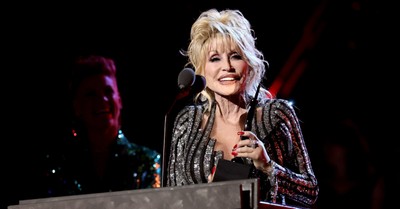
Photo Credit: ©Getty Images/Theo Wargo/Staff
 Amber Ginter is a teacher-turned-author who loves Jesus, her husband Ben, and granola. Growing up Amber looked for faith and mental health resources and found none. Today, she offers hope for young Christians struggling with mental illness that goes beyond simply reading your Bible and praying more. Because you can love Jesus and still suffer from anxiety. You can download her top faith and mental health resources for free to help navigate books, podcasts, videos, and influencers from a faith lens perspective. Visit her website at amberginter.com.


